From a photographer who's shot weddings for over a decade, across several continents.
finding the photographer of your dreams 💫
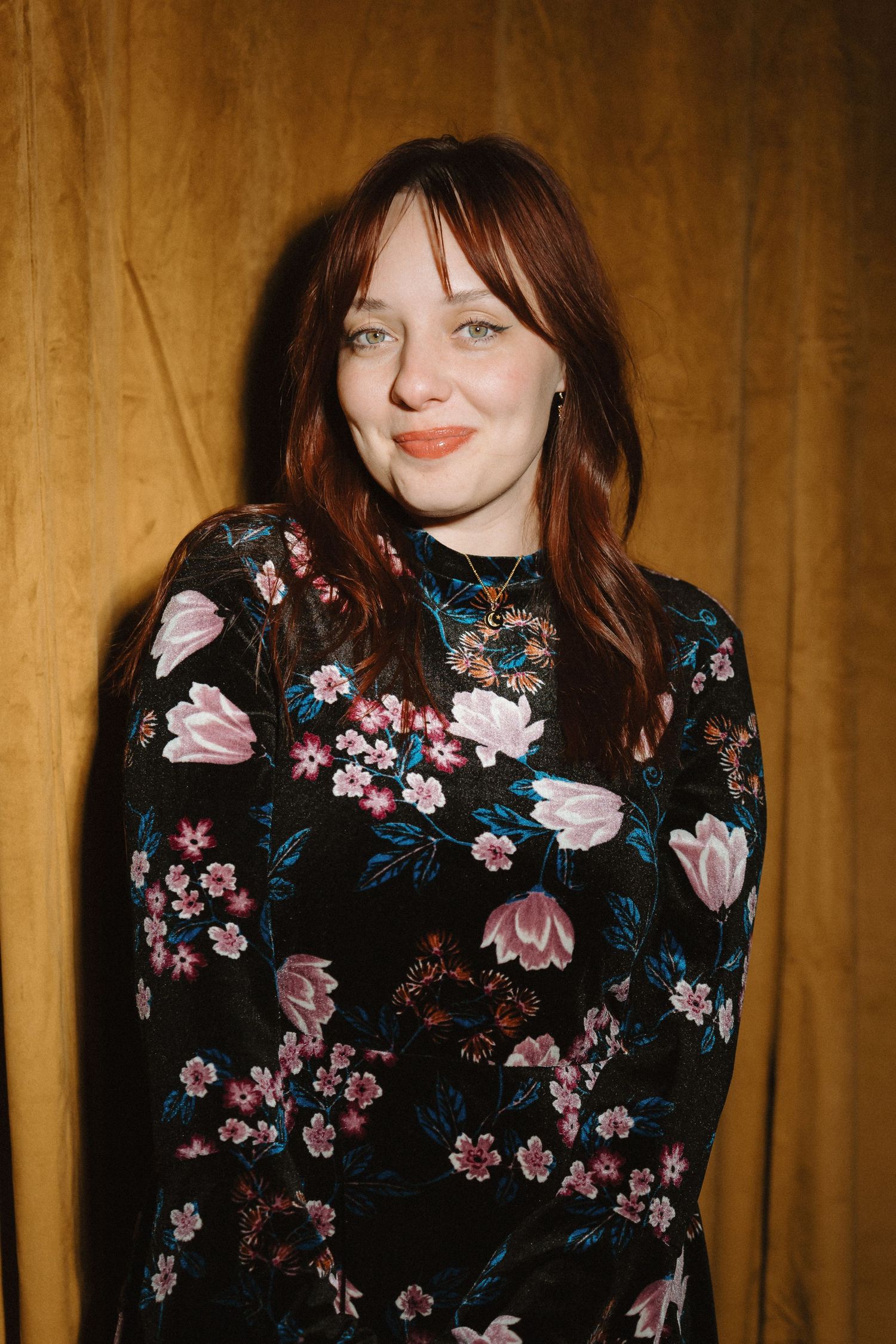
I'm Morgan, a wedding photographer located in Washington State. I've photographed and filmed weddings, been in wedding parties, and had my own! At this point I've been to at least a hundred of them. Because of that unique experience, a lot of friends and people in my life ask me for advice, and the concern I hear the most (right after the cost) is some version of "I don't even know where to start with photography."
So, this guide is everything I've learned from both sides of the lens — as a vendor on the inside and as a bride myself. You're about to throw the biggest, most expensive party of your life. Let's make sure someone captures it right.
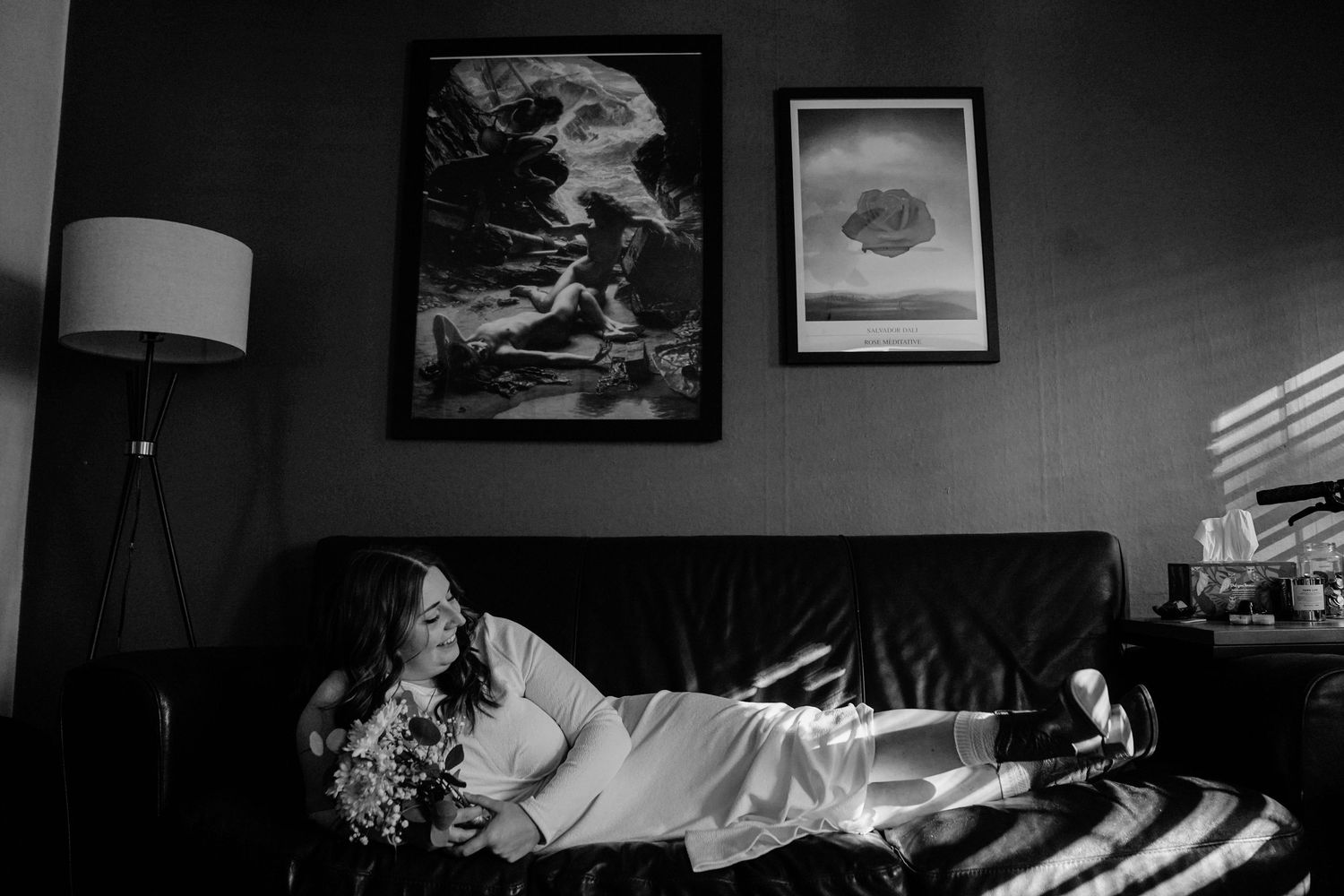
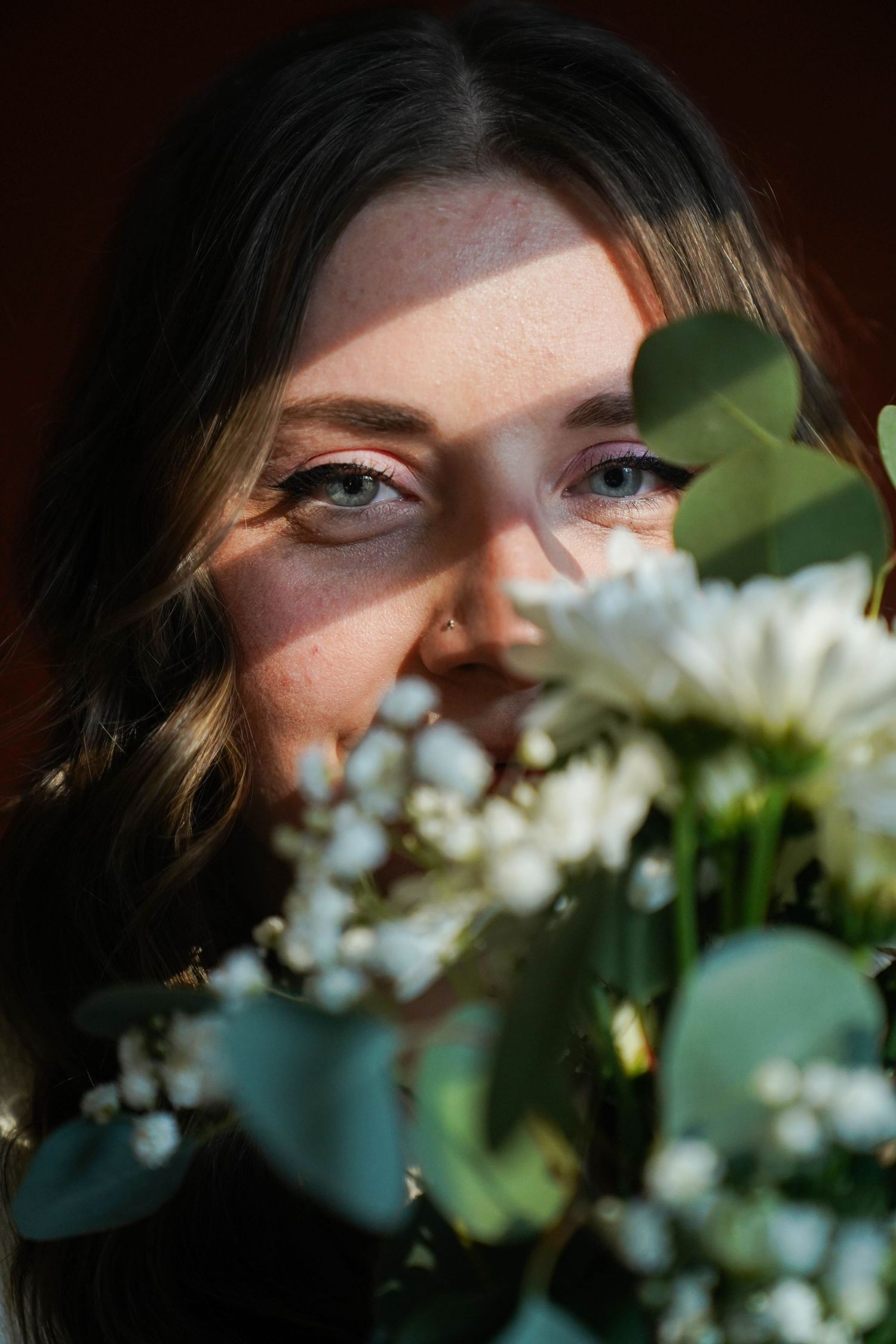
Your part in finding a photographer who is a match
While the right photographer should be able to deliver an experience that adds to your day rather than complicating it, this can only happen when the couple has clear expectations.
Before you start reaching out to photographers, it's worth doing a little homework. What kind of wedding are you having? How do you want it to feel in your photos? Do you like digital, or film, or a mix or both? What part of your day do you really want captured? Getting clear about which moments matter most to you, what style speaks to you and your future spouse, and what you're genuinely happy to deprioritize will make vetting potential photographers a whole lot easier. It'll also make the day itself smoother, because your photographer won't be guessing.
Before you start googling "wedding photographers near me" get clear on:
- Your budget
- The kind of coverage you want (how long, and how comprehensive of a final gallery you want)
- The photography aesthetic you want
- The experience you want (how involved vs, hands-off you want your photographer)
photography packages
Every photographer bases their pricing off "packages" which include elements like:
- Number of photographers (usually one or two)
- Hours of coverage
- Add-ons like film, prints, and travel fees
It's important to figure out what kind of coverage you want so that can be translated into picking the right package!
Understanding photography styles
Let's go over the different editing and shooting styles. Once you become familiar with these terms and how they translate into photos, you'll be able to dig in a little deeper in your research and figure out the style that brings your personalities to life best.
Editing Styles
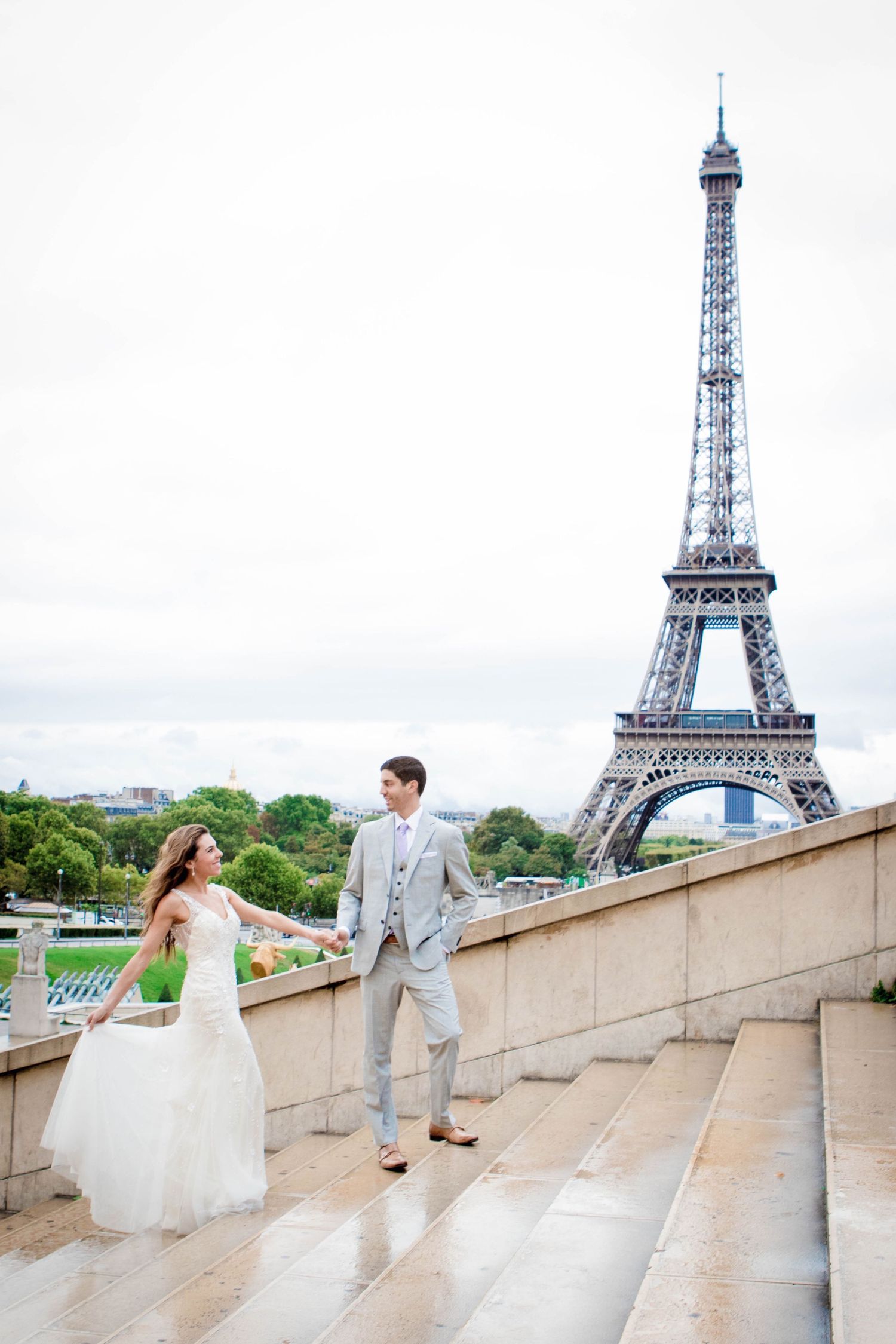
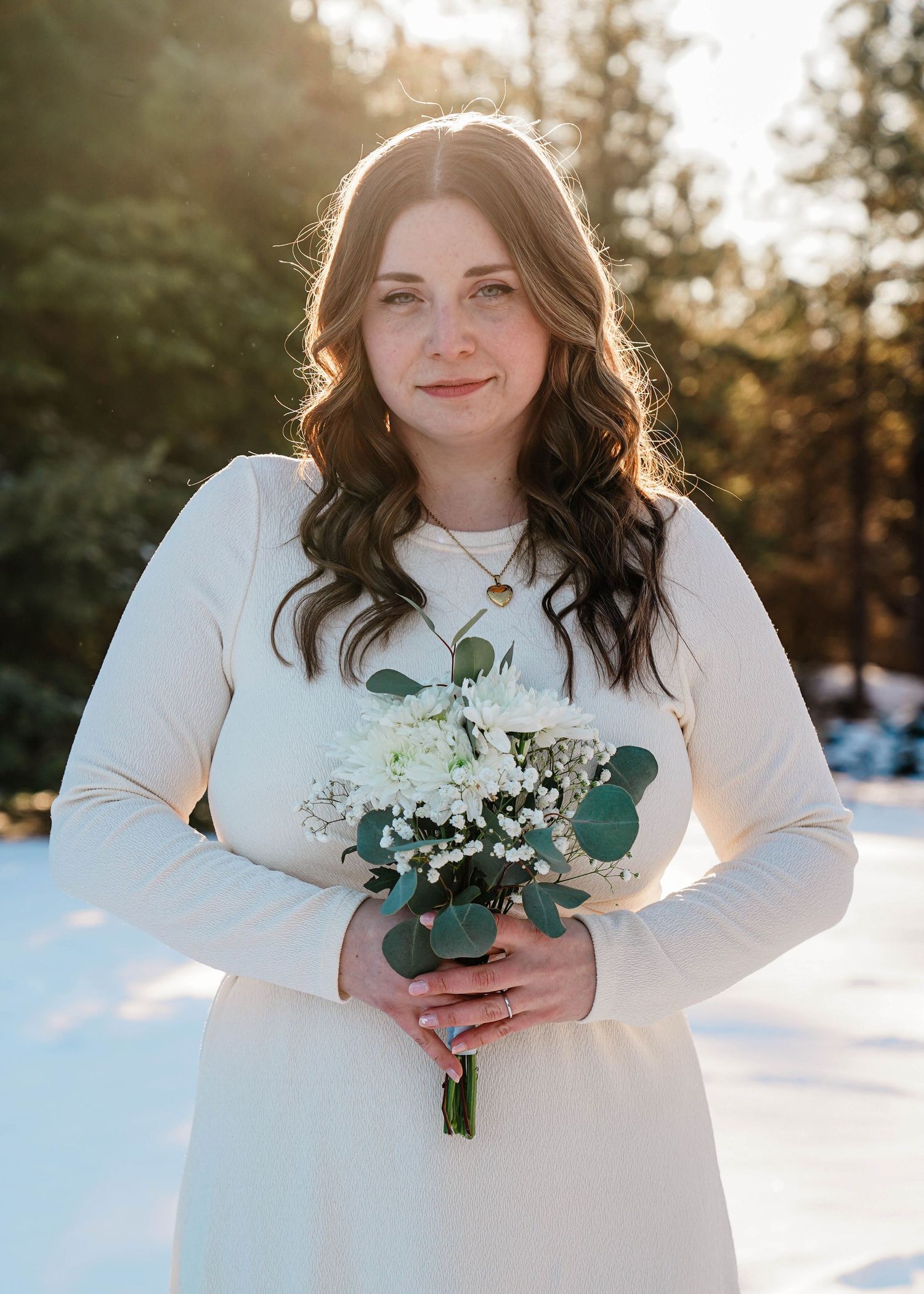
light and airy
I LOVE this editing style and offer it upon request
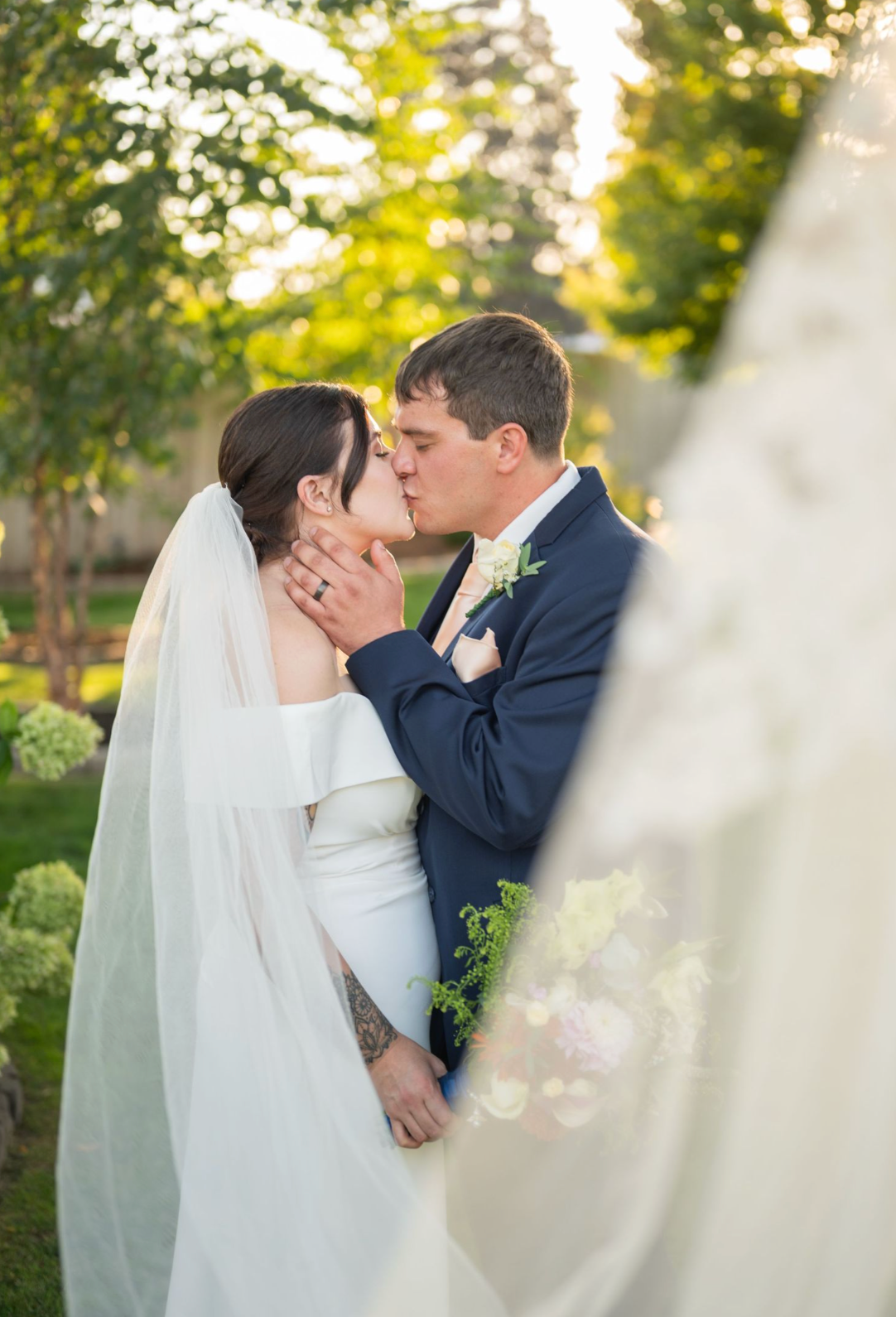
Light and airy photography is all about brightness, softness, and a certain romantic glow. Featuring high exposure, barely-there shadows, and soft pastel tones, everything has a dreamy, ethereal quality. It thrives in gentle, diffused natural light, whether that's the even softness of an overcast sky or the warm flush of golden hour.
true to color
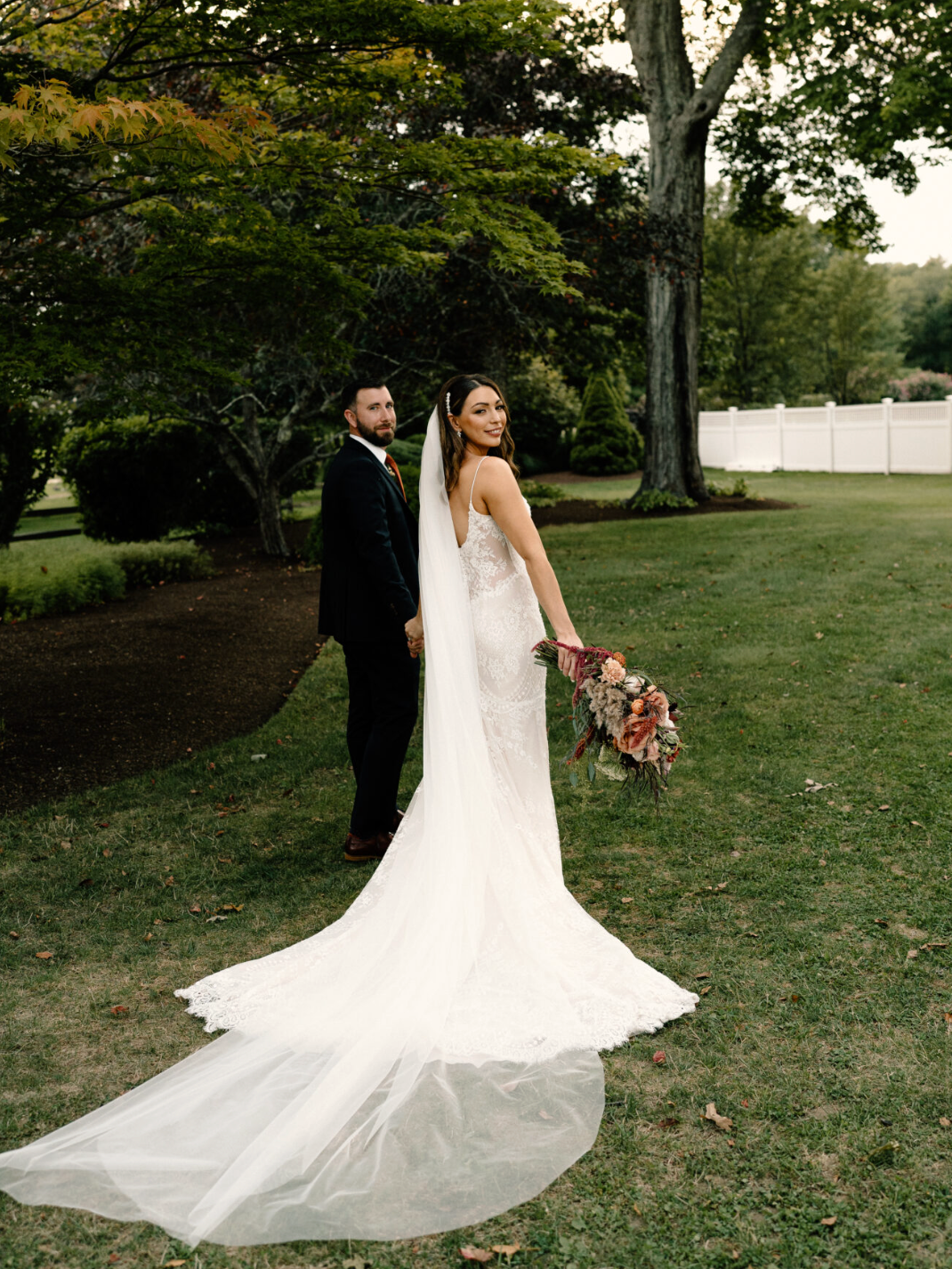
This is my main editing style
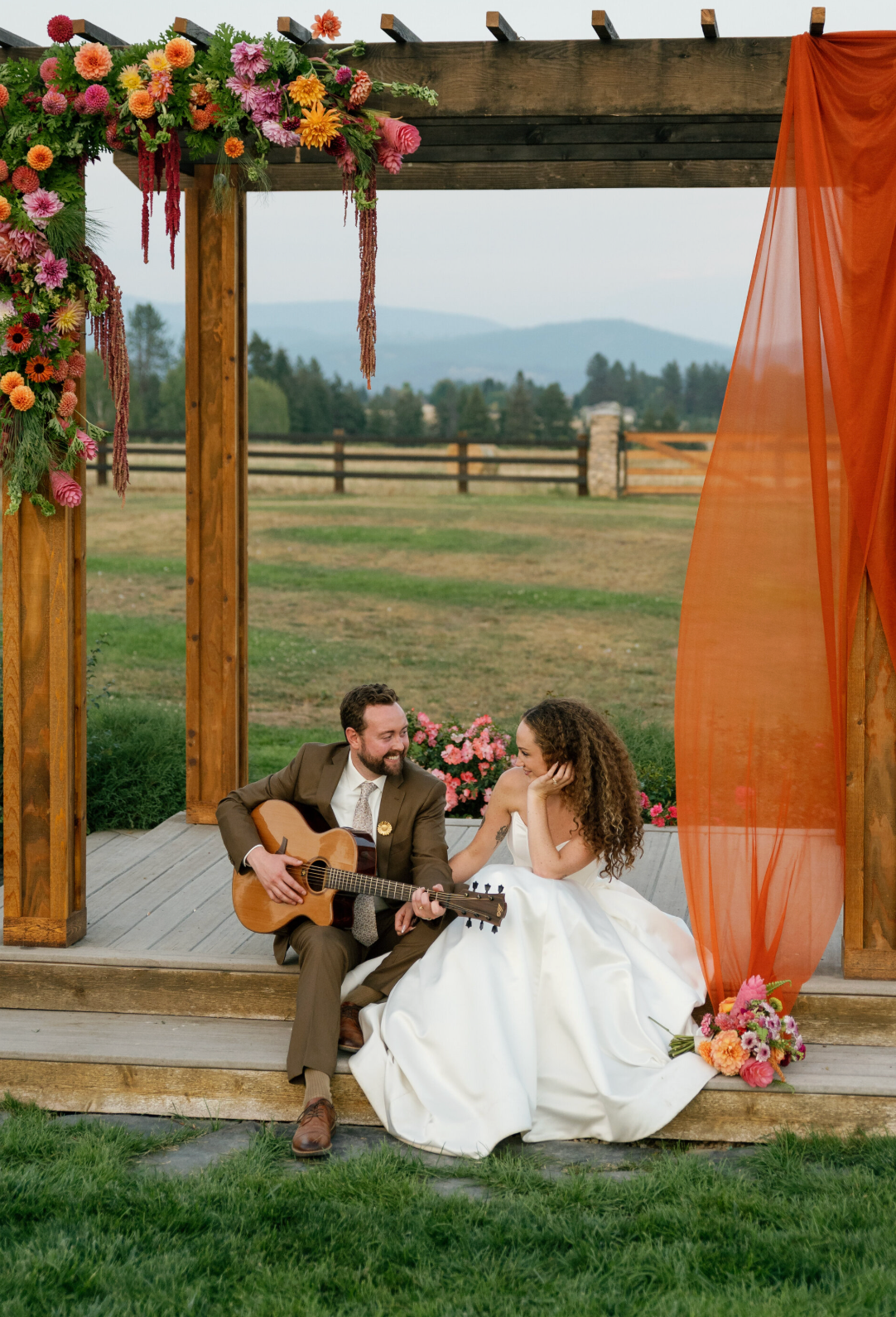
True-to-color photography is exactly what it sounds like. Images are edited to reflect the day as it actually looked, with accurate colors, natural skin tones, and faithful representation of your décor and lighting. It skips the heavy filters and trendy presets in favor of something clean and timeless.
dark and moody
Shooting Styles
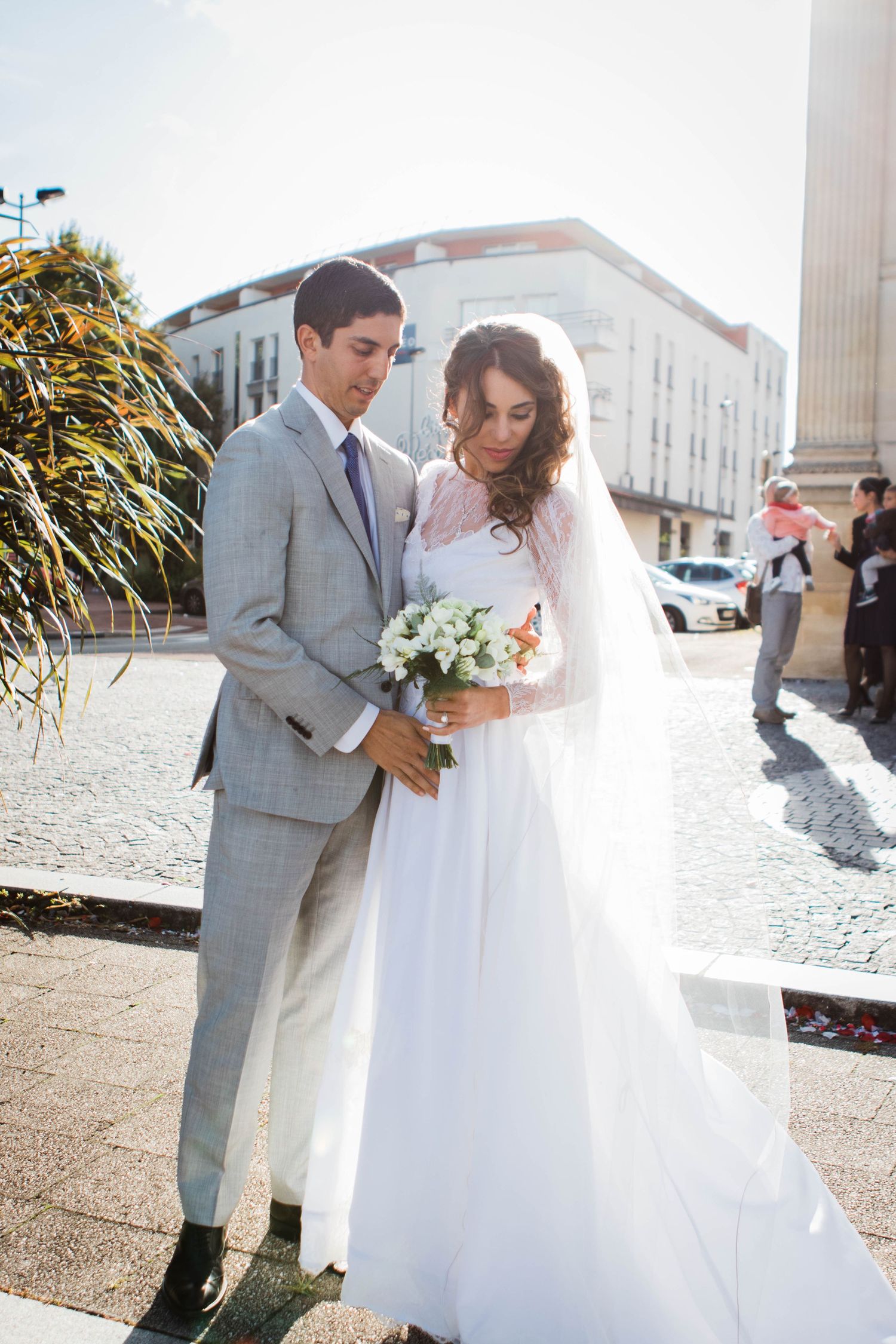
documentary or photojournalism
This is a style I specialize in and offer upon request
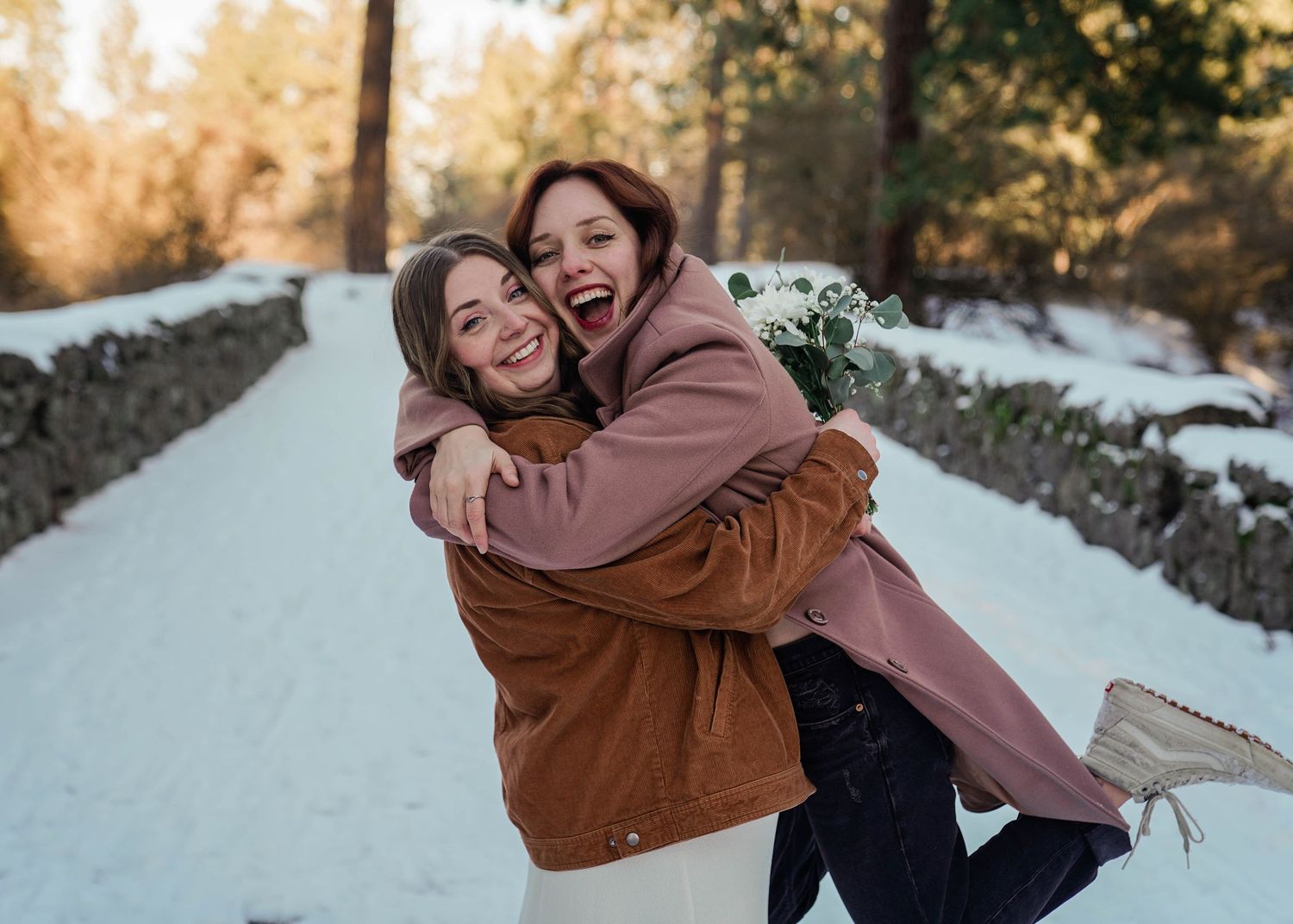
This is all about capturing the day as it unfolds! With no posing or staging, photographers focus on capturing real moments and genuine emotion. The photographer moves through your wedding as an observer, letting the story tell itself through candid images that feel true to the day.
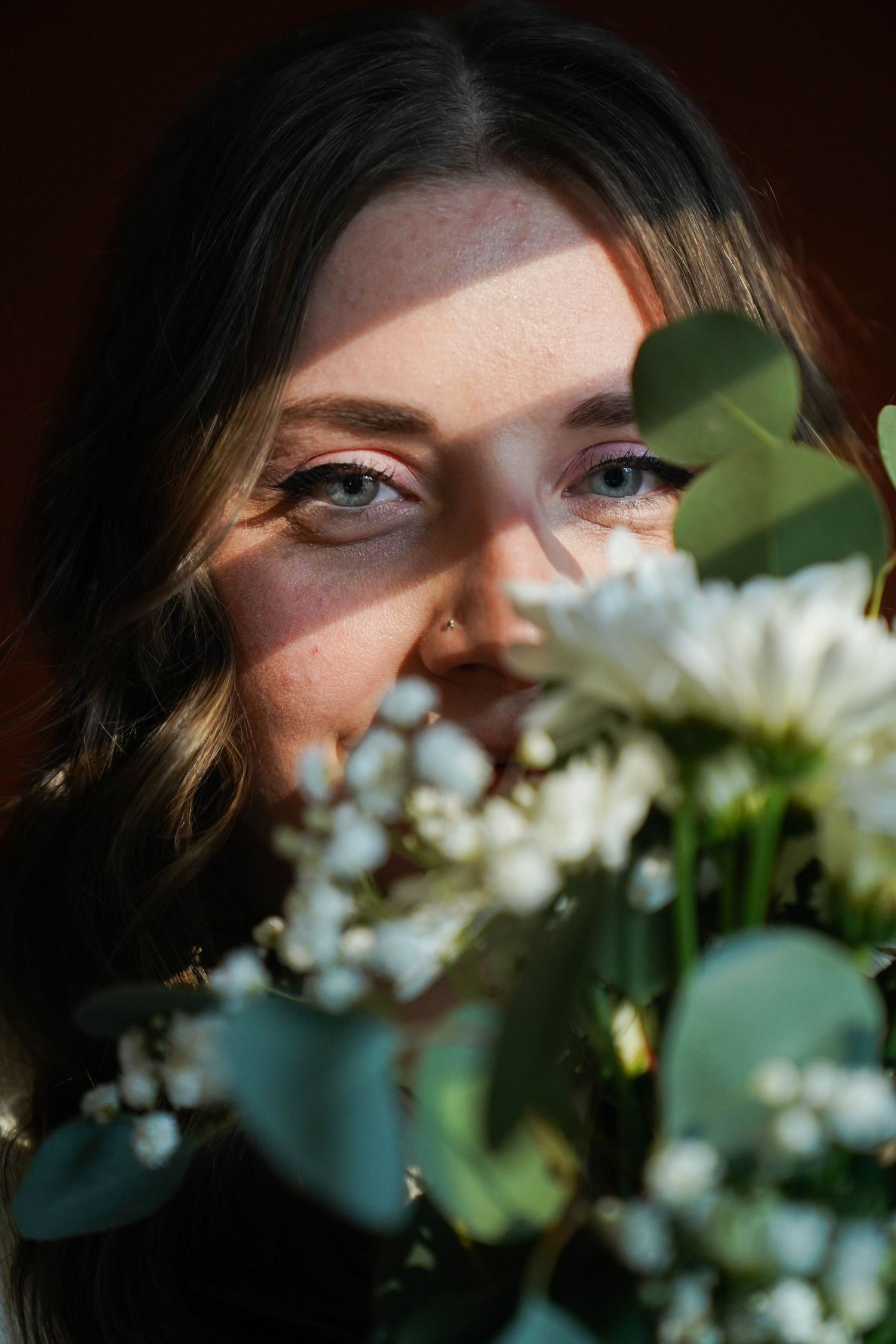
editorial
Editorial photography brings a fashion-magazine sensibility to wedding coverage. It's made up of carefully composed portraits, dramatic lighting, and a strong visual point of view. It's a highly intentional style that blends directed artistry with candid storytelling to create something that feels both modern and cinematic.
storytelling
This is my go-to and recommended approach
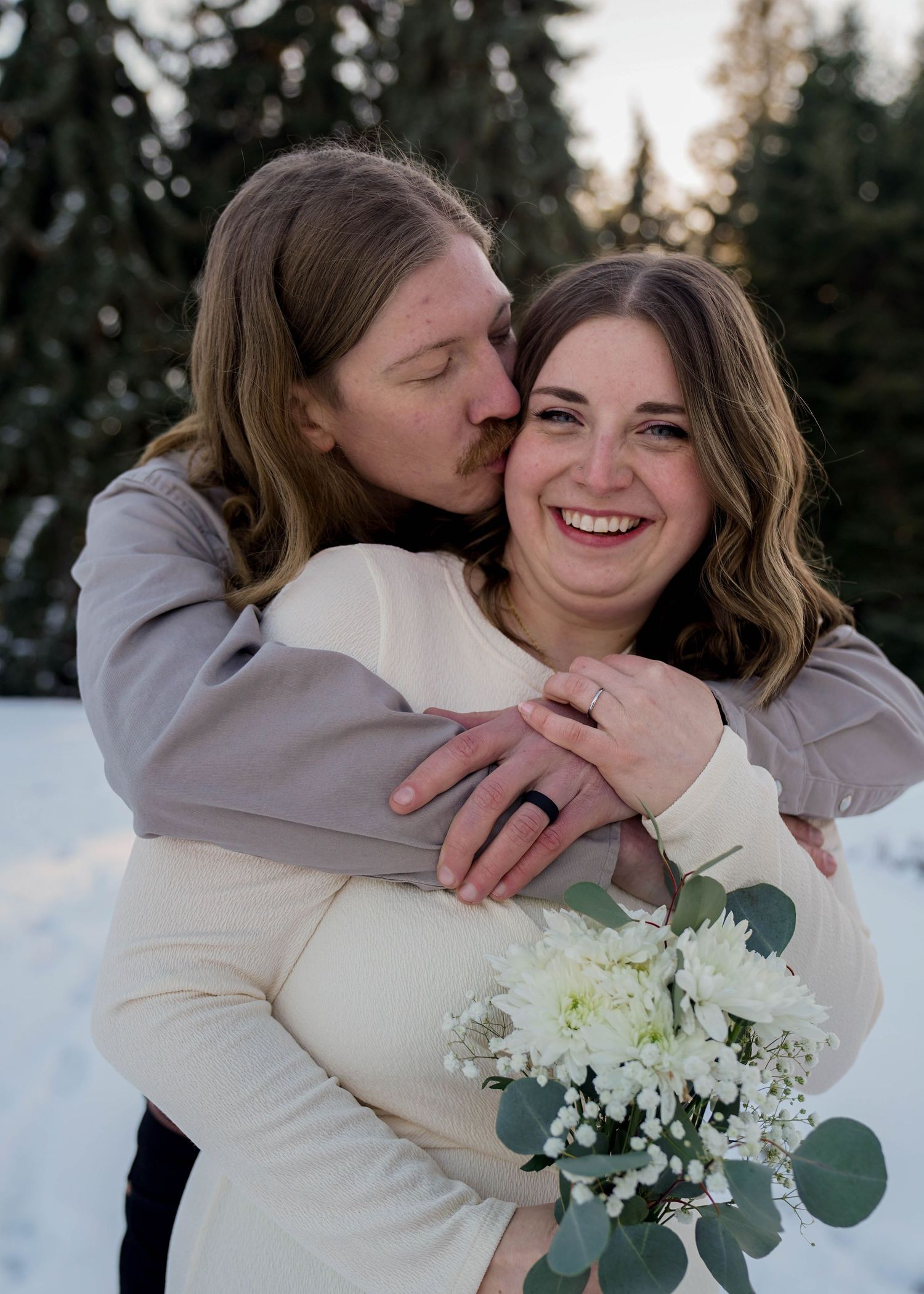
Storytelling photography is a nice middle ground for couples who love candid, documentary-style images but still want a little guidance in front of the camera. Your photographer will offer some direction during portraits — for you, your partner, and your wedding party — while keeping the overall feel relaxed and natural.
Common Add-Ons
film photography
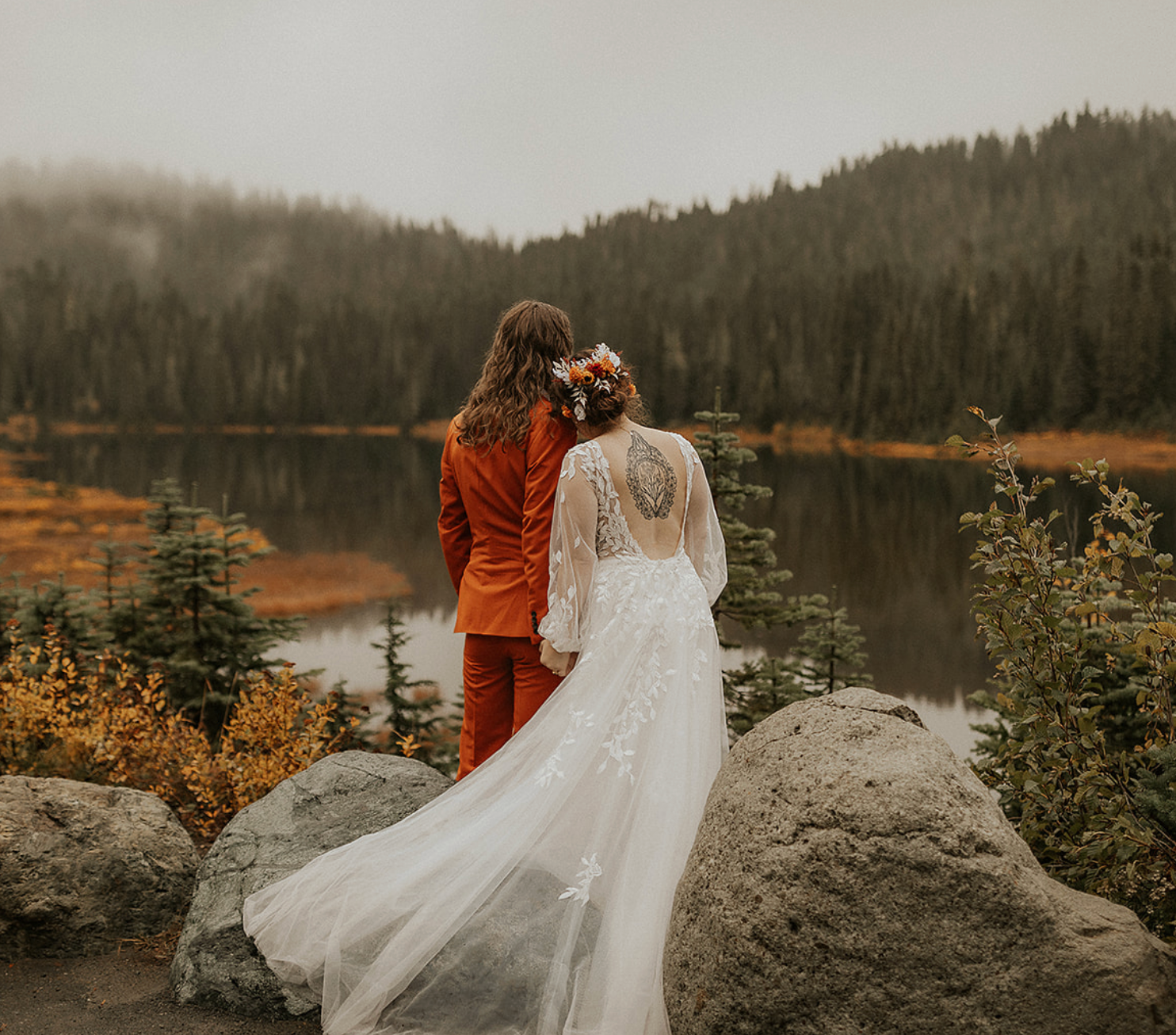
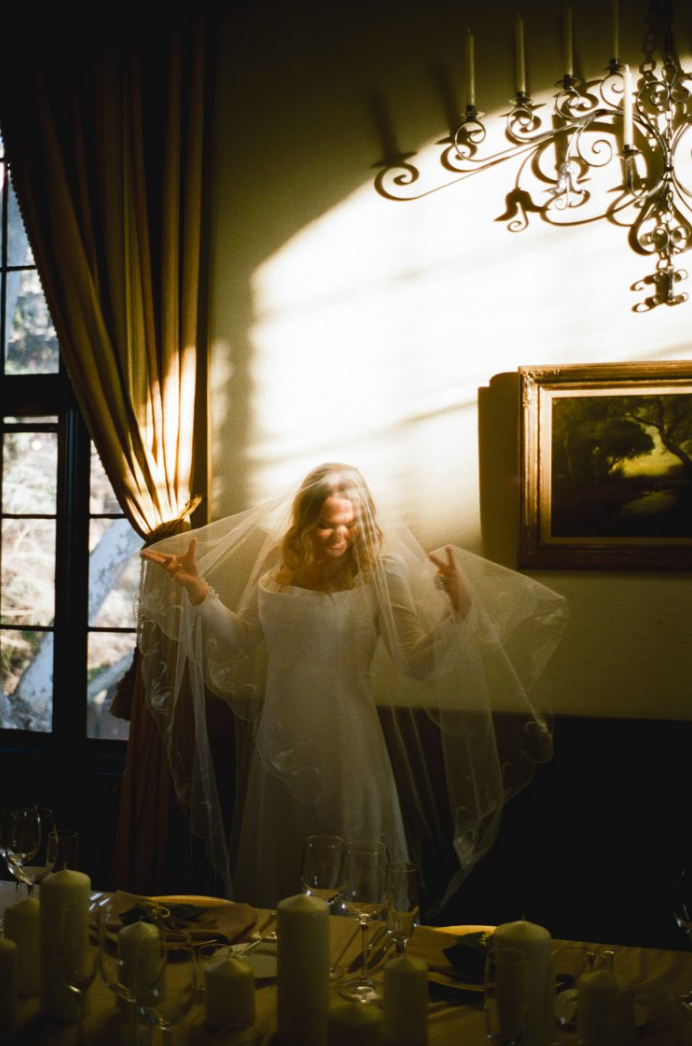
Film photography brings a warmth and nostalgia to wedding imagery that digital simply can't replicate — think soft tones, dreamy textures, and a little grain that makes everything feel like a vintage keepsake. Some photographers shoot exclusively on film, while others blend it with digital for a richer mix of images. The style translates beautifully to videography, too. (hello super-8 film!)
Image by Teribphotography.com
engagement sessions
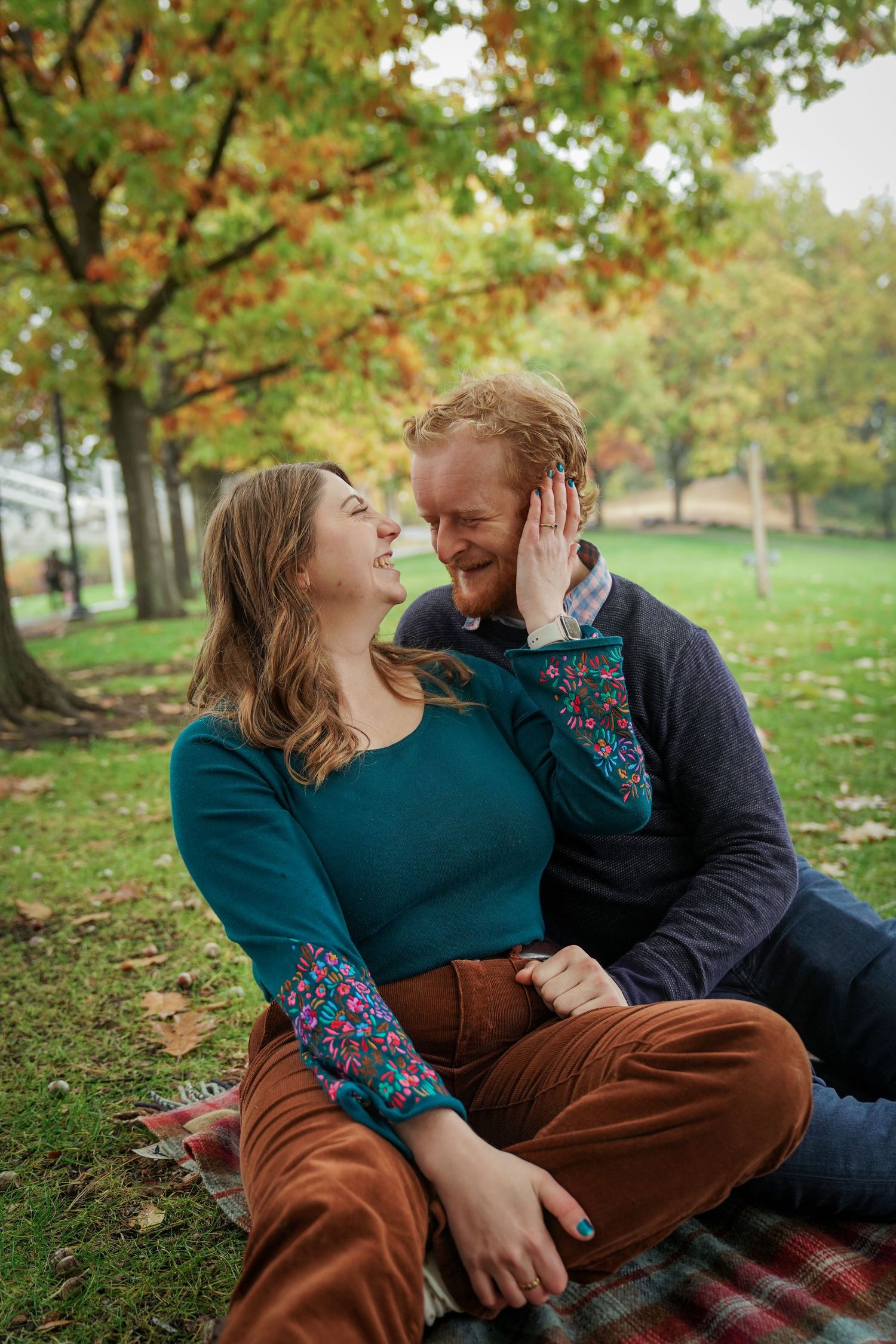
A lot of photogs (including me!) will offer complimentary or discounted engagement sessions with a wedding booking. What's great about this is you get the chance to meet and build a relationship with your photographer before the big day.
second shooters
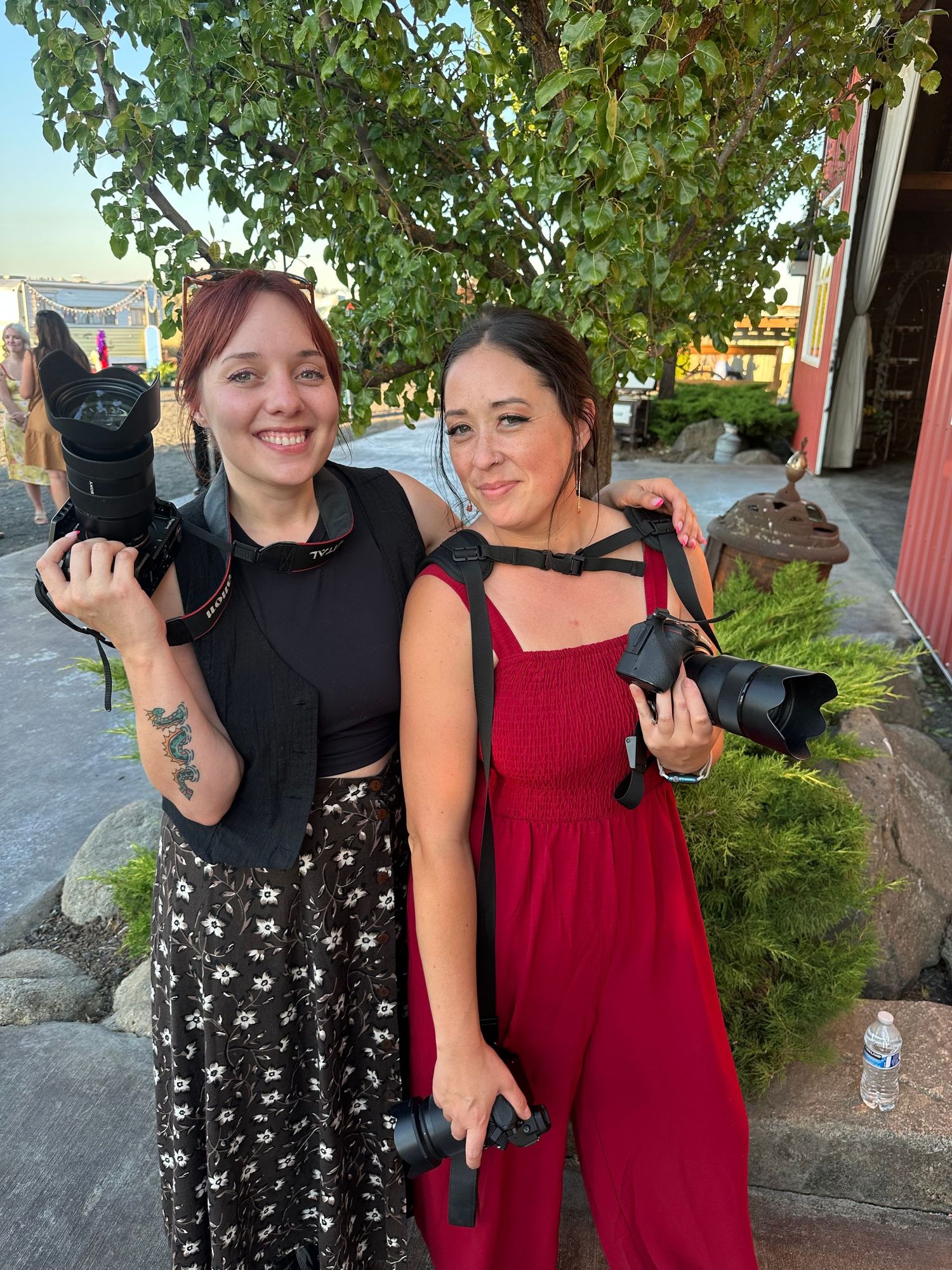
Most photographers offer packages that come with one or two shooters. The difference here is the opportunity to have a second person to capture more photos and more angles of the same moment. Weddings are dynamic events, with multiple key moments happening at the same time. Having a second shooter ensures most everything is covered, and prevents your lead photographer from being stretched too thin if you have a big shot list.
vetting a potential photographer full wedding galleries, not highlight reels.
The worst place to judge a wedding photographer is their Instagram grid. Their grid is their best thirty shots. Even our websites are largely made up of highlights.
What you want to see is a full gallery from a real wedding so you can observe how they handled the in-between moments, the low-light reception, the family formals, and everything in between.
Ask for it directly. Reach out, ask for a quote, and in the same message ask if you can see full galleries taken at different package rates. This will help you learn what you can expect out of 4, 6, and 8-hour packages with (or without) a second shooter. Not only that, but you'll be able to see whether this particular person can deliver reliably high-quality photos consistently throughout your wedding day.
hot take: only hire an experienced wedding photographer.
A wedding is a dynamic event with several moments and interactions happening at once, and it is not the same as shooting a portrait session or an event where you can slow things down and reset. That is why it is important to select a photographer who specializes in weddings and has done it for several years.
While you can hire less experienced wedding photogs, or even photographers who specialize in other industries, I generally don't recommend it. That being said, everyone needs to get their start somewhere, and maybe you have a friend took amazing engagement photos for you and wants to get into weddings. There are scenarios where this can work out great! I have a section below about that.
on budget, and what you're actually paying for
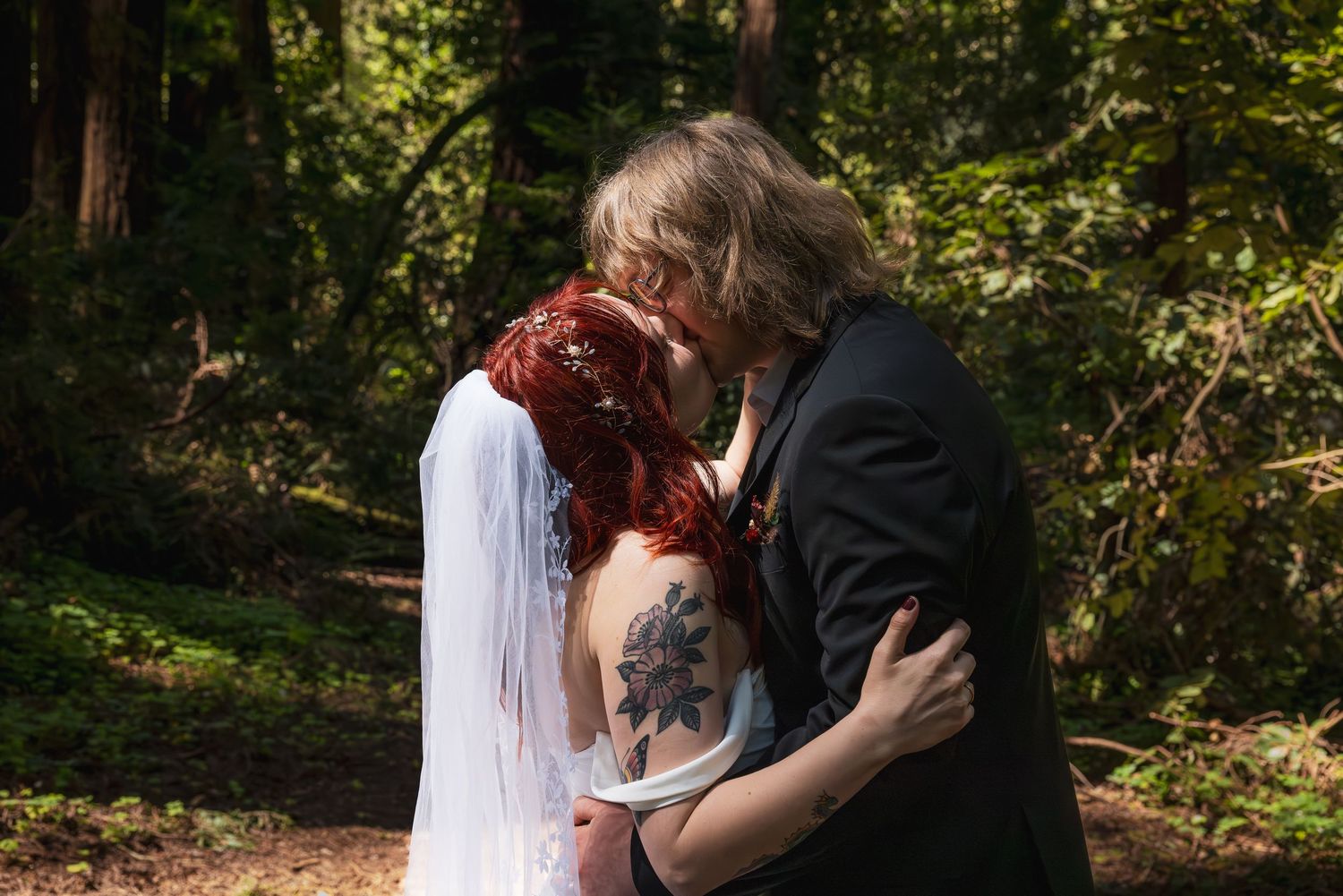
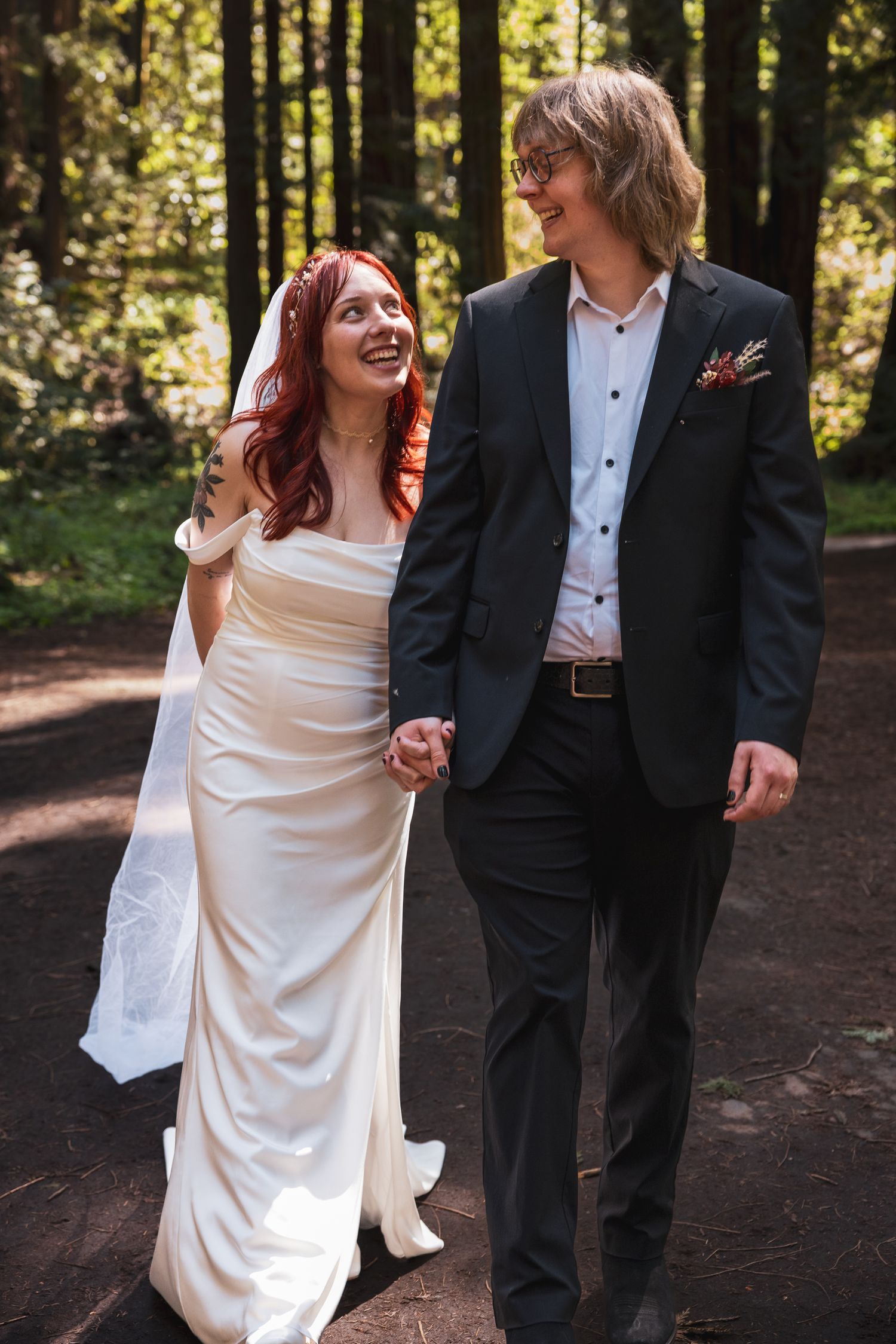
I've heard it said that your photos become your family heirlooms, and I love that way of valuing the investment. It's true! The flowers are gone the next day, the dress goes in a box, but the photos are what you have for the rest of your life. When it comes to wedding photography, that permanence is exactly why the investment is what it is.
Part of what you're paying for is expertise. By the time you have your wedding, you've done this once or twice, maybe watched a few friends have a wedding of their own. But your photographer has done it dozens of times — maybe hundreds. That depth of experience is what keeps them calm when the timeline slips, ensures no moment gets missed, and means they've already solved most problems before they reach you. There is no do-over at a wedding, and a seasoned photographer knows how to prepare for that better than anyone.
Try to remember that the rate on the contract is never just the hours they're present. Behind every wedding booking is a full business operation: professional camera equipment and regular upgrades to keep it reliable, editing software, hard drives, computers, and a gallery delivery platform so you can actually access and download your images. There's insurance, federal taxes, mileage and drive time to your venue — sometimes multiple venues in a single day. There's the pre-wedding consultation, the ongoing planning communication in the months before, and if a second shooter is involved, the time spent onboarding and coordinating with them. After your wedding, there are hours of post-production editing before a single image lands in your gallery. And running underneath all of it is the business itself: managing multiple bookings, maintaining a website, and holding your date against every other couple who wanted the same one.
When you look at it that way, the number starts to make a lot more sense.
the truth about "low budget" options
Let's talk about a few cost-cutting options to look for, and then the idea most commonly explored as an option: working with a photographer who is brand new to weddings.
Common cost-cutting requests:
- Less coverage (1-2 hours)
- Photographers new to weddings, looking to building portfolios
- Photographers who will deliver RAW photos (this is rare to find and a frowned upon request by among most photographers because you're asking for unfinished work.)
On the topic of a photographer new to weddings, I want to be totally clear: I do not recommend working with someone brand new to photography itself. But, it can be great working with an experienced photographer who understands the skills, theory, and art, and wants to break into the wedding industry! These folks are often very talented and hard-working, but just need a chance to shine. If you plan to explore that option, here's how you can go into it eyes wide open and protect yourself:
- Personality check up: Make sure you truly know this person. Ideally you have a relationship with them and can trust their character, reliability, and their work ethic.
- Experience check up: See if you can set up an engagement shoot beforehand to test the experience and see if they are a good fit. This also offers you a chance to critique their work and share what you want done differently or the same on your wedding day.
- Recalibrate your role: Understand that you may need to onboard them to your timeline more closely since they've never done this before.
- Designate a day-of helper: Find the most responsible, people-oriented person in your wedding party to assist your photographer with wrangling family members and handling the unanticipated complications that arise. (This is something many wedding photographers will ask for anyway.)
- Be clear about your vision: Absolutely make a Pinterest board for them and talk about it.
- Critique their work: Ask to see their past work (even if in other industries) and share what you like and don't like for your specific vision. Be specific, and of course, be gentle and kind.
- Reset your expectations: Set your expectations differently than you would an expert.
remember, you deserve to love your photos
Wedding planning is a lot. There are a hundred decisions pulling at you from every direction, and it can be tempting to check the photography box and move on. But I hope this guide has made that decision feel less overwhelming and a little more grounded — because the truth is, finding the right photographer doesn't have to be a gamble. It just takes knowing what to look for and asking the right questions before the day arrives.
If you have questions or want a second set of eyes on a photographer you're considering, feel free to reach out. I genuinely love talking about this stuff, as you may have gathered from the length of this post.
Have Questions? Let's Chat!
Spokane-Based Wedding Photogs I Recommend: